Enquire Now

Choosing the Perfect Finish for Your Custom Labels

The finish of your label is just as important as the design itself. Because the finish not only dictates how your product feels in the customer's hand- it also protects your label from the elements and guarantees it’s longevity. And therefore, whether it reaches the customer at all!

Whether you need a high-shine retail look or a rugged, industrial coating, understanding your options is the first step to achieving professional printing result that will ensure your product stands out on the shelves, and makes its way into the consumers basket.

centralised finish

Understanding the Basics: Laminates vs. Varnishes

At the core of label protection are two primary techniques: laminates and varnishes.

  • Laminate Finishes: This involves applying a thin, protective layer (like clear polypropylene) over the top of your printed label. This creates a robust physical barrier that offers superior protection against moisture, abrasion, and chemicals.
    • Gloss Laminate: Adds high vibrancy and makes colours pop.
    • Matte Laminate: Provides a sophisticated, soft-touch finish that enhances the tactile experience.
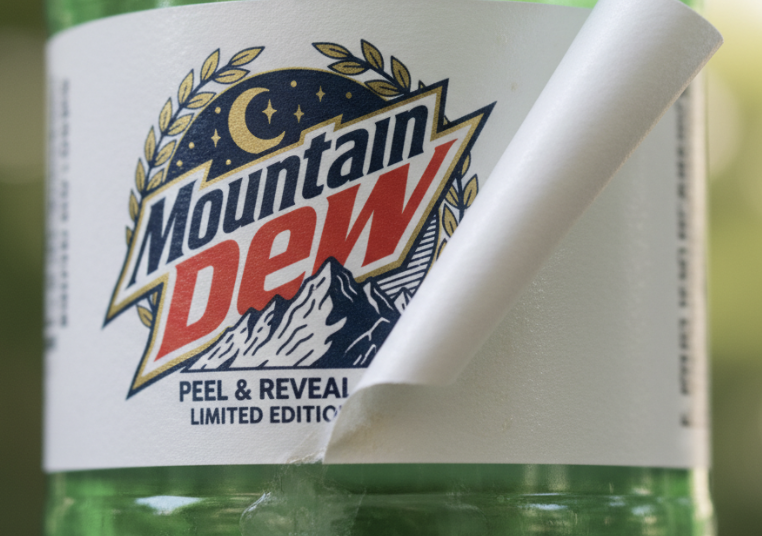
  • Silicone Varnish: This is a specialized liquid coating often used for Peel & Reveal labels. It allows the top layer of a multi-page label to release smoothly from the base. It is the go-to solution for:
    • Food Packaging: Perfect for hiding nutritional facts or cooking instructions inside.
    • Retail/Promotional: Great for concealing discount codes or additional brand stories.
    • Chemical Labelling: Essential for keeping detailed health and safety instructions accessible yet tucked away.

Beyond the Basics: Other Popular Finishes

To give your labels that extra edge, consider these popular industry options:

Finish Best For... Aesthetic/Function
Gloss Varnish General retail labels Provides a light, shiny protective sheen at a lower cost than laminate.
Rough Touch / Textured Craft beer, wine, or artisanal goods Adds a premium, tactile quality that stands out on the shelf.
Spot UV Luxury branding/logos Applies high-gloss to specific areas, creating a beautiful contrast against a matte background.
Soft Touch Cosmetic/premium products Creates a "velvety" feel that invites customers to pick up the product.

How to Choose the Right Finish?

To decide which direction to take, ask yourself these three questions:

1. Where will the product live? If it’s in a kitchen or a bathroom, laminate is your best friend due to its moisture resistance.

2. What is the "vibe"? Glossy finishes suggest energy and brightness, while matte or textured finishes suggest luxury, natural ingredients, or high levels of craftsmanship.

3. Does it need functionality? If you are printing multi-page labels for instructions or promotions, silicone varnish is a technical requirement, not just an aesthetic one.

Your label is the final point of contact between your brand and your customer. By selecting the right finish, you ensure that your product not only looks great but is built to last until the very last drop or use.

Tailoring Your Finish: Industry-Specific Recommendations

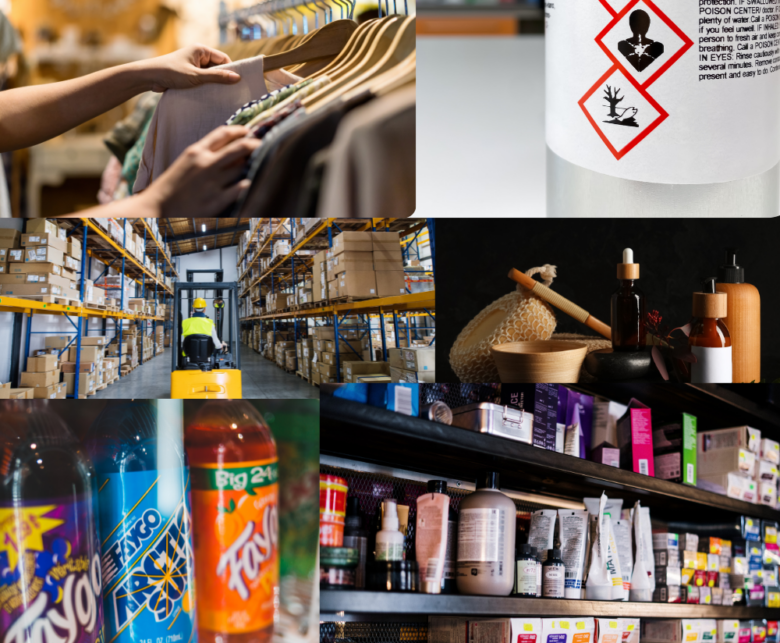
Selecting the right finish is about balancing durability, legal requirements (aka compliance), and brand aesthetics. Here is how different industries typically approach their label finishes to ensure they stand up to the environment while grabbing consumer attention.

Industry-Specific Finishing Guide

Industry Recommended Finish Why?
Chemical Matte or Gloss Laminate High resistance to moisture, solvents, and abrasion is critical for safety information.
Cosmetic Soft Touch or Matte Laminate Provides a luxurious, high-end feel that aligns with beauty and self-care branding.
Retail Gloss Laminate or Spot UV Bright, high-contrast finishes help products stand out on crowded shelves.
Food Gloss Laminate / Silicone Varnish Gloss provides a clean look; Silicone is essential for multi-page labels with ingredients.
Beverage Textured or Matte Laminate Often exposed to ice buckets or condensation; these finishes resist water and prevent peeling.
Event Tickets Matte Varnish Easy to write on, resistant to smudging, and offers a professional, non-glare finish.
Asset / Warehouse Heavy-Duty Laminate These labels face extreme wear and tear; laminates protect barcodes from being scanned incorrectly.
Automotive UV-Resistant Laminate Must withstand engine heat, gasoline exposure, and long-term outdoor UV rays.
Garden & Leisure Weatherproof Laminate Needs to endure heavy rain, direct sunlight, and soil contact for extended periods.
Security Tamper-Evident Varnish Often paired with special stock; provides a clear indication if the label has been interfered with.
industries smallest

Deep Dive: Why These Finishes Matter

  1. The Protection Factor (Asset, Warehouse, Automotive)

In industries like automotive or logistics, the label is a tool. If the barcode becomes scratched or the text fades due to chemical exposure, the whole system fails and everything risks falling apart. A heavy-duty laminate is not just an aesthetic choice for these industries—it’s a functional requirement to ensure long-term readability.

  1. The Sensory Experience (Cosmetic, Food, Beverage)

Customers engage with your product using more than just their eyes. Using a Soft Touch finish for a luxury cream or a Textured finish for a craft bottle creates an immediate perception of quality when they pick your item up off the shelf. These tactile finishes signal to the consumer that the product inside is worth the price point you’re selling it at/

  1. Compliance and Functionality (Chemical, Food, Retail)

Sometimes, the finish is the feature. Like we’ve mentioned above, Silicone Varnish is the industry standard for "Peel & Reveal" labels, which are non-negotiable for food products that need to display long ingredient lists without sacrificing front-of-pack design space.

  1. Weather Resistance (Garden & Leisure)

Labels in this sector are constantly battling the elements. Standard finishes often fail when exposed to constant moisture or UV light. We recommend UV-resistant laminates to prevent the design from yellowing or the adhesive from breaking down in the sun.


Are you interested in receiving a sample pack that showcases how these different finishes behave in various environments?

Get in touch with our team today and browse the range of industries that we print high quality, durable labels for.
Frequently Asked Questions - Printer Maintenance

01

What do the lines mean that are going through the print on my label?

If the line is in a diagonal direction, it is likely that the foil is creasing. Simply adjust the tension bar or clutch.

If the lines are vertical, then the printhead could either be dirty, or there could be dots or pixels on the printhead. If the latter is the case, you might need a new printhead. Contact us for us to diagnose the problem before ordering new parts.

Horizontal lines often indicate that the machine has stopped to make a cut. Usually, the machine will automatically try and blend this line out. Trying to alter the design of your label could help to solve the problem, however if there is a cut in the roller then it might need replacing. Contact our Technical Team if you think that this might be the case.

02

Nothing is printing onto my label but it’s going through the print process. What’s happening?

It’s likely that the ink foil is on the wrong way round, and it’s applying ink to the printhead instead of the label. Remove the ink foil, clean the printhead with some of our printhead wipes or isopropyl spray, and put the ink foil back on the other way around. The general rule of thumb when loading ink foil is dull side down, shiny side up!

03

I’ve got a warning notification on my printer. What should I do?

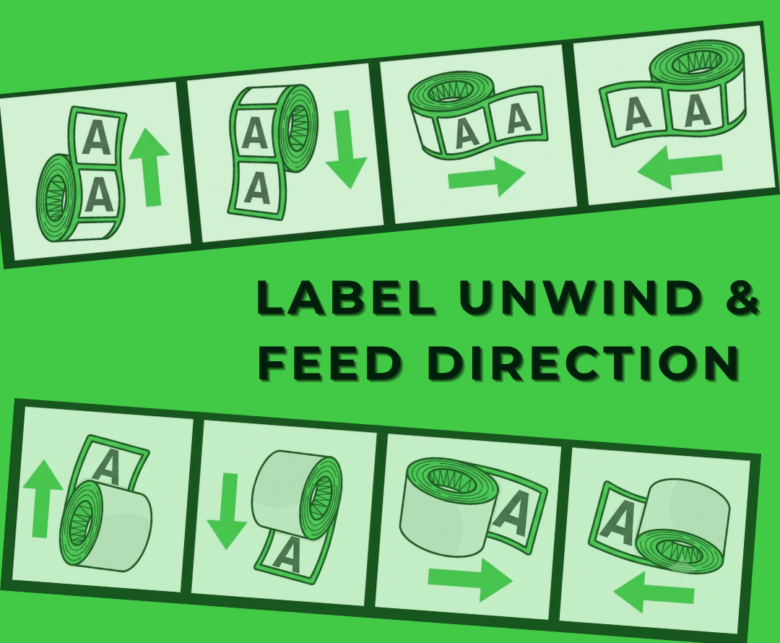
You will likely be seeing something along the lines of ‘No Gap Found / Media Error’, which could mean several things. The labels might be threaded up incorrectly, which will mean that they’re not going through the sensor. Take the roll of labels off and thread them up again, being sure to consult the diagram to make sure you’re doing this in the correct way for your machine. The sensor might not be in the correct position, so try adjusting it slightly to see whether it picks up on the labels coming through. Alternatively, the sensor might need re-calibrating. Either find the button on your machine that will do this for you or contact us for a little more assistance.

04

How do I clean the printhead on my label printer?

Take off the ink foil and get some of our printhead cleaning wipes, or some isopropyl spray and a cloth. Wipe the print area, removing any visible dirt or residue. Rethread the machine, reload the ink foil, and run a small job again to see whether print quality improves.

05

My printer isn’t communicating with my computer. What should I do?

The first thing to do is to check that the cable running between your computer and printer is connected properly, and in the correct port. Also ensure that the port on the computer is selected correctly (e.g. USB-C, USB), by navigating to your settings. You should also make sure that you’re trying to send a job to the correct printer, and not another that is synced with your computer.

Stay Informed with Soabar