


Fridge and freezer labels face low temperature, condensation, frost, moisture, surface movement and repeated handling. The crucial question is not simply how cold the final product becomes. It is when the label is applied, whether the pack is dry, how quickly it is chilled, and whether the surface develops condensation.
Related guidance for the next decision
Product teams can begin with UK food packaging label production, validate the construction through the product label material selection, and check legal content against the guide to food allergen labelling legislation.
Application temperature versus service temperature
Application temperature is the temperature of the label and pack when bonding takes place. Service temperature is the range the bonded label experiences later. An adhesive may perform well in a freezer after bonding at room temperature but fail if applied directly to a frozen, frosted surface. The specification must cover both values.
Face materials for chilled products
Moisture-resistant films such as polypropylene are common where condensation, splashes or wet handling are expected. Coated paper can suit some chilled applications when exposure is limited and the adhesive is correct. Frozen or high-moisture products often benefit from a synthetic face and a freezer-grade adhesive, subject to trials.

Container and surface factors
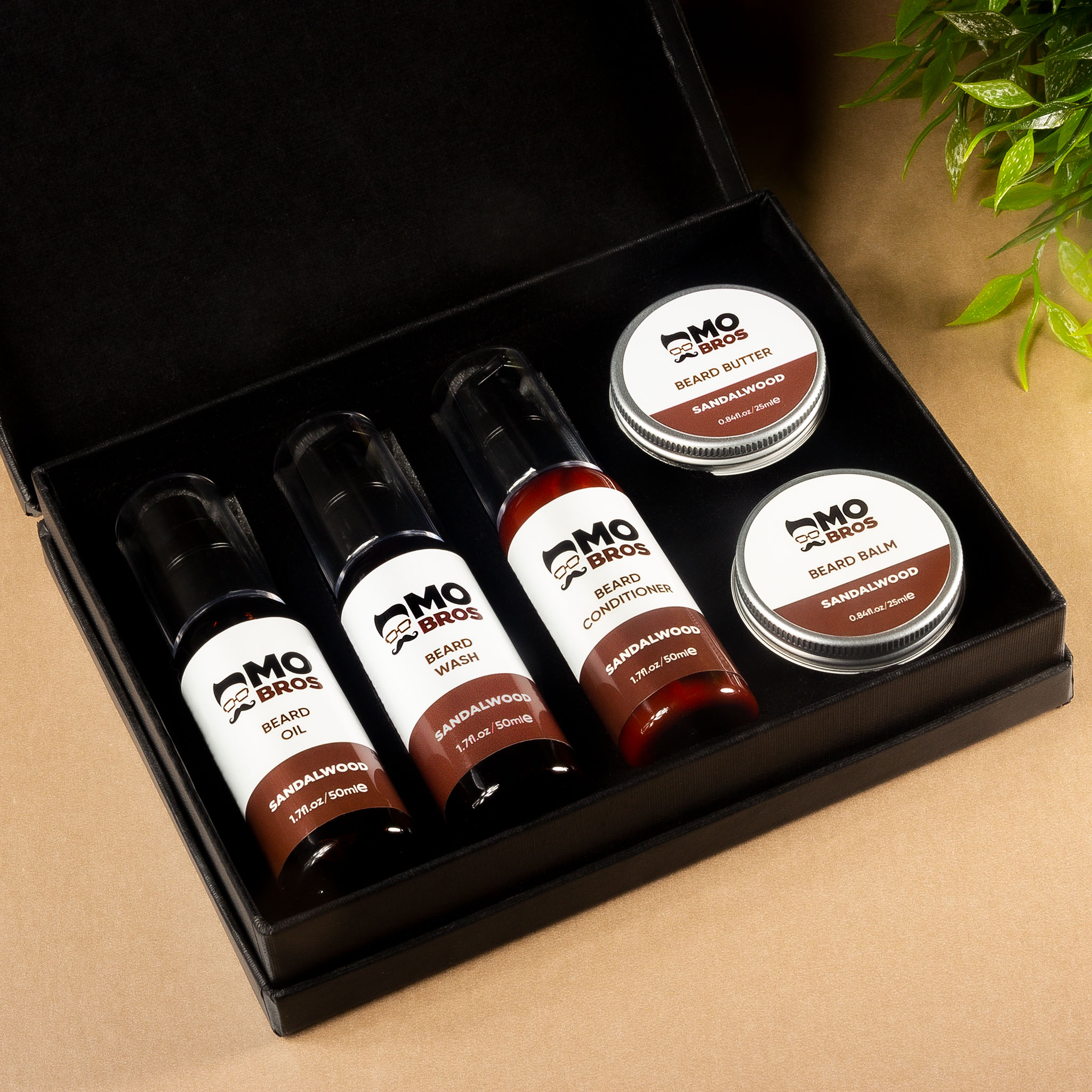
Rigid plastic, flexible film, glass, coated board and rough fibre trays present different bonding surfaces. Curved tubs and squeezable bottles add mechanical stress. Grease, frost, release agents and condensation can block adhesive contact, so production hygiene and timing matter.
Print durability and food information
Ingredients, allergens, dates, storage instructions, traceability and barcodes must remain legible throughout the declared life. Select print and protection that tolerate rubbing and moisture. Where information changes by batch or date, test the variable print method as well as the preprinted label.

Testing the complete cold chain
Apply labels using the proposed line settings, then chill or freeze the actual product. Include temperature cycling, transport, thawing if relevant, condensation and handling. Check adhesion at edges, wrinkling, flagging, print rub and scanning. A few hours in an office freezer is not a substitute for the intended product journey.
Food-labelling context
Soabar’s food packaging labels service supports branding, information and compliance applications, while self-adhesive labels can be specified in different materials and formats. The team should receive the container, temperature and application details before recommending a construction.
Ordering information to provide
State pack material and shape, label size, application method, product temperature at application, lowest storage temperature, exposure to moisture or oils, required lifetime, print data, food-contact constraints and expected quantities. Samples on the actual pack will reduce avoidable production risk.
Start with the operational requirement
Write a short specification for a chilled or frozen food label before comparing products or prices. Define what the label must communicate, where it is applied, who applies or reads it, how long it must perform and what can cause failure. Include volumes, peak demand and the consequence of an unreadable, detached or incorrect label. This turns a vague request into measurable acceptance criteria and gives the supplier a sound basis for recommending materials, equipment or production methods.
Prototype on the real product
A flat sample in an office cannot reproduce every condition faced by a chilled or frozen food label. Test the actual container, garment, item or roll through application, storage, transport and use. Include worst-case but realistic temperatures, moisture, abrasion, speed, curvature and handling. If machinery is involved, run enough labels to expose feeding, sensing and changeover issues. Photograph and record results so approval is traceable and can be compared after a material or process change.
Control artwork and data
Use one approved master for text, dimensions, colours, codes and version status. Make responsibilities clear: who supplies data, who approves content, who checks proofs and who releases production. Variable information needs validation rules for length, character set, uniqueness and barcode or encoded-data quality. File names alone are weak version control; an artwork schedule or product specification should link each approved design to its intended item and quantity.
Consider the converting process
Printing is only one part of label manufacture. Die cutting, matrix removal, slitting, lamination, varnishing, rewinding, inspection and packing can affect the finished roll. Very small gaps, sharp corners, thin liners, heavy ink coverage or unusual shapes may influence dispensing and application. Discuss the production line early so a visually attractive design does not become difficult to manufacture or apply consistently.
Plan for quality checks
Define what will be inspected and how often. Useful checks can include dimensions, copy, colour target, adhesion, print rub, barcode grade, roll count, winding, sequence, electronic encoding or resistance testing, depending on the job. Agree tolerances that reflect the application. Retain an approved sample and job specification so repeat orders are compared with a physical and documented standard rather than a recollection of how the previous batch looked.
Think about total cost
The purchase price of a chilled or frozen food label is only one cost. Include artwork changes, tooling, consumables, operator time, waste, downtime, storage, obsolete stock and failures in the field. A durable construction can cost more per label but reduce relabelling or returns. Conversely, over-specifying a short-life label wastes money and materials. Match performance to the genuine product journey and expected service life.
Sustainability without performance trade-offs
Reduce unnecessary material, liner and obsolete stock while ensuring the label still performs its essential role. A label that falls off and causes a product or pack to be discarded is not an environmental success. Consider face stock, adhesive, ink, coating, release liner, pack compatibility, recyclability claims and production waste together. Ask for evidence supporting material claims and avoid broad environmental language that the complete construction cannot substantiate.
Information to send with an enquiry
Provide product photographs and samples, surface material, dimensions, exposure, storage range, required life, artwork count, annual and batch quantities, application method, equipment model, core and roll limits, print or data requirements and relevant standards. State which characteristics are critical and which can be adjusted. Complete information shortens the sampling process and reduces the risk that a chilled or frozen food label is specified for an imagined environment rather than the real one.
Build the decision around evidence
Good label decisions are documented rather than assumed. Record the product specification, approved artwork, samples, test conditions and sign-off. Where the content carries safety, care, traceability or regulatory information, include an independent check by someone who did not prepare the original file. This simple separation catches familiar wording, transposed values and outdated versions that the original author may overlook. Evidence also makes later troubleshooting faster because the team can distinguish a design decision from an uncontrolled production change.
Manage changes before the next order
Products, ingredients, suppliers, containers, machinery and legal requirements can change during the life of a label. Set a review trigger for each relevant change rather than reordering automatically from the previous file. Confirm that material, adhesive, dimensions, wording, codes, orientation and quantities are still correct. Withdraw obsolete artwork and identify superseded label stock so it cannot return to the packing line. Repeat orders should be convenient, but convenience should never bypass content approval or application checks.
Work with the supplier early
Early discussion gives the label supplier room to solve constraints through material choice, artwork adjustment, finishing, roll format or printing method. Sending finished artwork only after every decision has been locked can hide avoidable problems. Share non-negotiable requirements and explain the production process, then allow suitable alternatives to be sampled. The strongest result combines the product owner’s knowledge of the item and customer with the supplier’s knowledge of print, materials, converting and equipment.
A practical specification checklist
Before ordering or acting, record the intended use, the product or garment construction, environmental exposure, required lifetime, critical information, production method and any equipment constraints. Confirm the final artwork at actual size and test a representative sample. Keep the approved specification and sample with the job record so repeat production is based on evidence rather than memory.
Frequently Asked Questions

Let’s Talk Labels
Need the perfect label, printer, or software for your business? Our team is ready to help you choose the right solution, answer your questions, and provide a personalised quote. Let’s make labelling easy.