Quote Calculator

What Are The Best Waterproof Labels For Cosmetics and Food Products?

When a someone picks up a product from a retail shelf, or pulls it out of their shower or refrigerator, the label is the primary storyteller of the brand it belongs to. It carries their logo, typography, ingredient lists, and necessary compliance details. But if that label is smudged, peeling at the corners, or wrinkled from moisture, the story it tells changes instantly from "premium quality" to "unprofessional."

For businesses in the cosmetic and food industries, standard paper labels simply won’t cut it. These products live in high-moisture, high-friction, and temperature-volatile environments. Choosing a complete waterproof solution isn't just an aesthetic upgrade; it’s an operational necessity.

In this guide, we'll dive into why choosing the right material matters. We’ll share the best waterproof substrates and finishes that are available, and the other factors that you need to consider in order to keep your packaging flawless from start to finish.

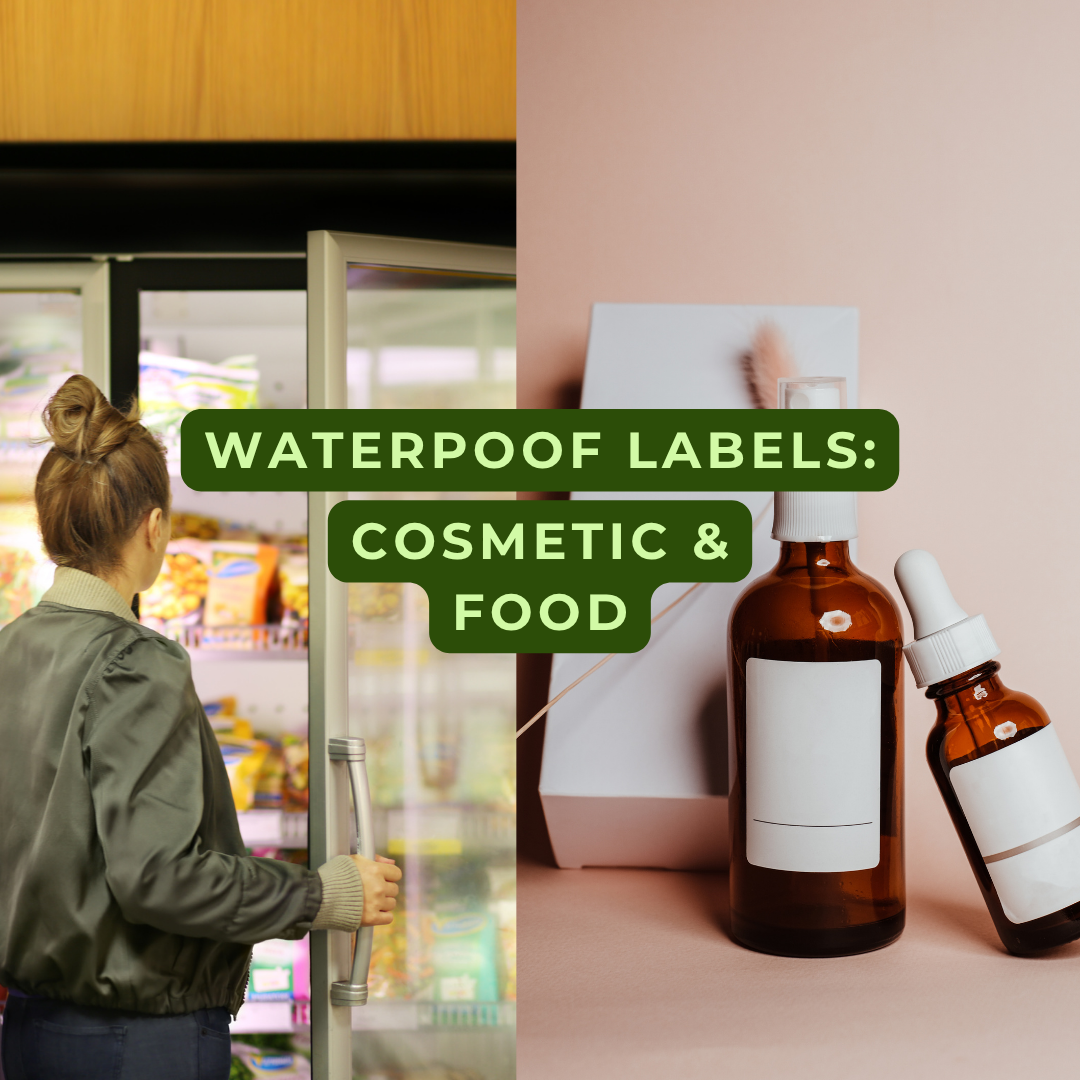
food and cosmetic
Food label waterproof

Why It’s Crucial to Get the Choice Right

Investing time and money into selecting the correct waterproof substrate and adhesive directly impacts three core business pillars:

  • Brand Reputation & Consumer Trust: Cosmetics sit on humid bathroom ledges and get handled by wet or oily hands. Food items face deep-freezes, melting cycles and kitchen spills. A degraded label that doesn’t stand the test of time sub-consciously signals a lower product quality to the end user.
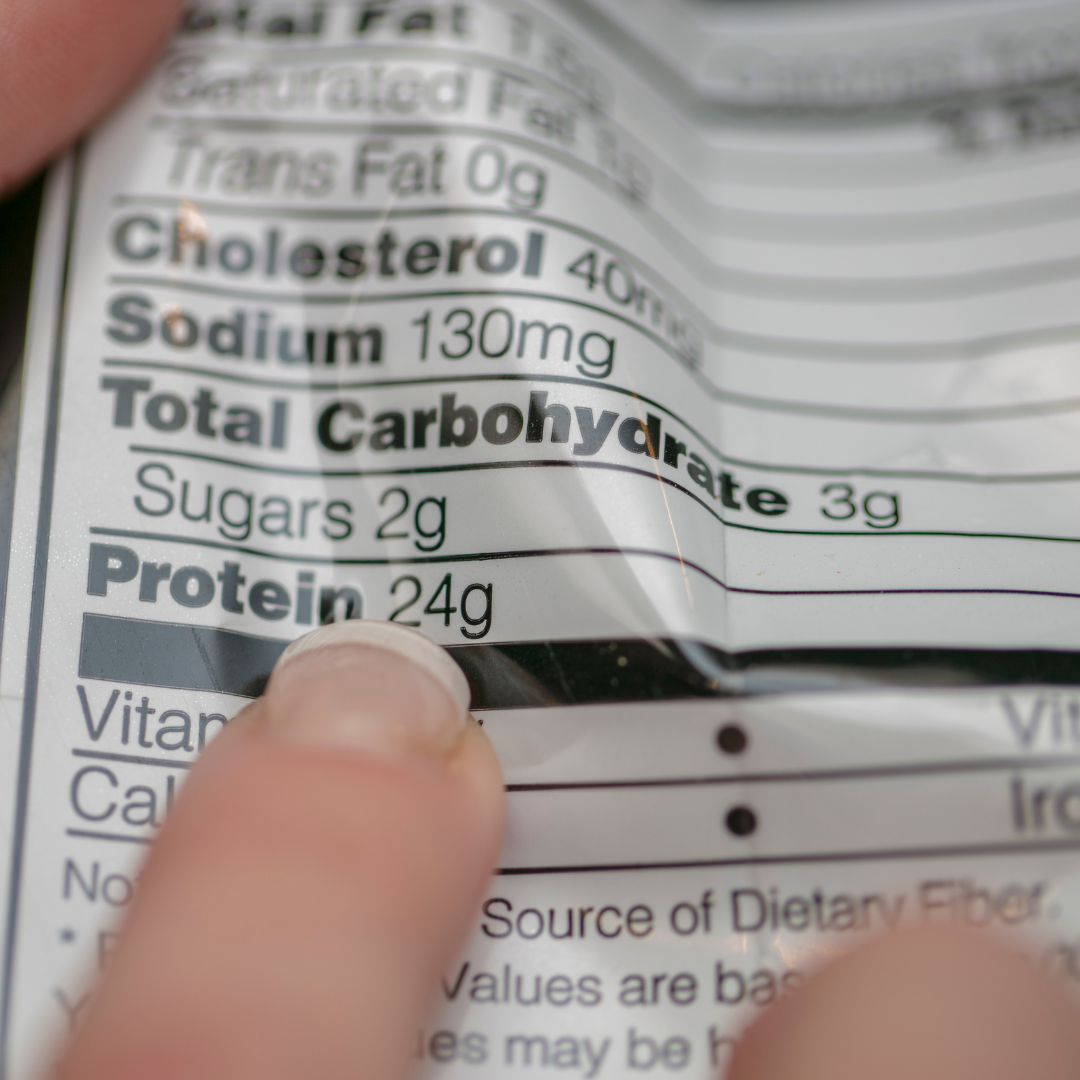
  • Regulatory Compliance: Both food and cosmetic manufacturers are legally mandated to display ingredients, allergens, batch codes, and expiration dates clearly. If moisture causes this text to bleed or rub off, your brand risks non-compliance penalties, product recalls, or liability claims.
  • Supply Chain Endurance: Labels endure massive stress before even reaching the customer. They are packed into tight shipping boxes, go through temperature fluctuations during transport, and face heavy friction from shipping and lifting. If the material or adhesive fails mid-transit, inventory tracking becomes almost impossible.

Top Tip: Water-resistant labels (like treated papers) can handle a light splash if wiped away quickly. True waterproof labels are made from synthetic polymers that can be fully submerged, frozen, or heavily exposed to running water without losing structural integrity or print clarity.

IMG_5133

The Best Waterproof Label Materials

  1. BOPP (Biaxially-Oriented Polypropylene)

BOPP (pictured on the left) is the absolute workhorse of the custom label industry. It is a thin, plastic-based material that has been stretched mechanically in two directions to provide incredible tensile strength and durability. BOPP is entirely resistant to water, grease, and most chemicals.

  • White BOPP: The most popular option. It offers a clean, crisp, high-contrast white background that makes your artwork and small text pop. Ideal for everything from hot sauces to face creams.
  • Clear BOPP: Perfect for achieving a trendy "no-label look." When applied to transparent glass or plastic bottles, it allows the actual colour and texture of your product (like a clear serum or a vibrant fruit juice) to take centre stage.
  • Metallic/Chrome BOPP: Features a mirror-like silver finish. Printing inks over this material yields an eye-catching, reflective metallic effect that adds instant luxury appeal to premium cosmetics or wine bottles.
  1. Polyethylene

Polyethylene (PE) is highly flexible and serves as the industry standard for squeezable containers such as lotion tubes, shampoo bottles, and condiment dispensers. PE stretches and flexes without wrinkling, bubbling, or peeling when the bottle is squeezed.

Additionally, PE is a more environmentally friendly alternative compared to traditional vinyl, making it a highly popular choice for eco-conscious cosmetics and food brands looking to lower their environmental impact, without sacrificing on heavy-duty waterproof performance.

  1. Polyester (PET)

If your products face extreme conditions, Polyester is the gold standard. PET is incredibly rugged, offering unparalleled resistance to heat, abrasion, and harsh chemicals (like essential oils or highly acidic food liquids). It will not warp or tear, making it perfect for products that undergo high-temperature pasteurisation or industrial kitchen environment cleaning.
The Final Touch: Choosing the Right Protective Finish

Selecting the main, base material is only half the battle; the print layer itself needs protection. Uncoated inks can still scratch or run when exposed to friction or oils. That’s why the right finish is so important.

Choose Gloss Lamination if you require a strong moisture barrier and a vibrant label. It enhances colour vibrancy and adds a high-shine professional gleam. However Matte Lamination offers a non-glare, smooth finish that's an elegant aesthetic. It hides fingerprints and any smudges perfectly, making it best for luxury, organic goods. Opt for a UV varnish if cost is your key consideration alongside great moisture protection.

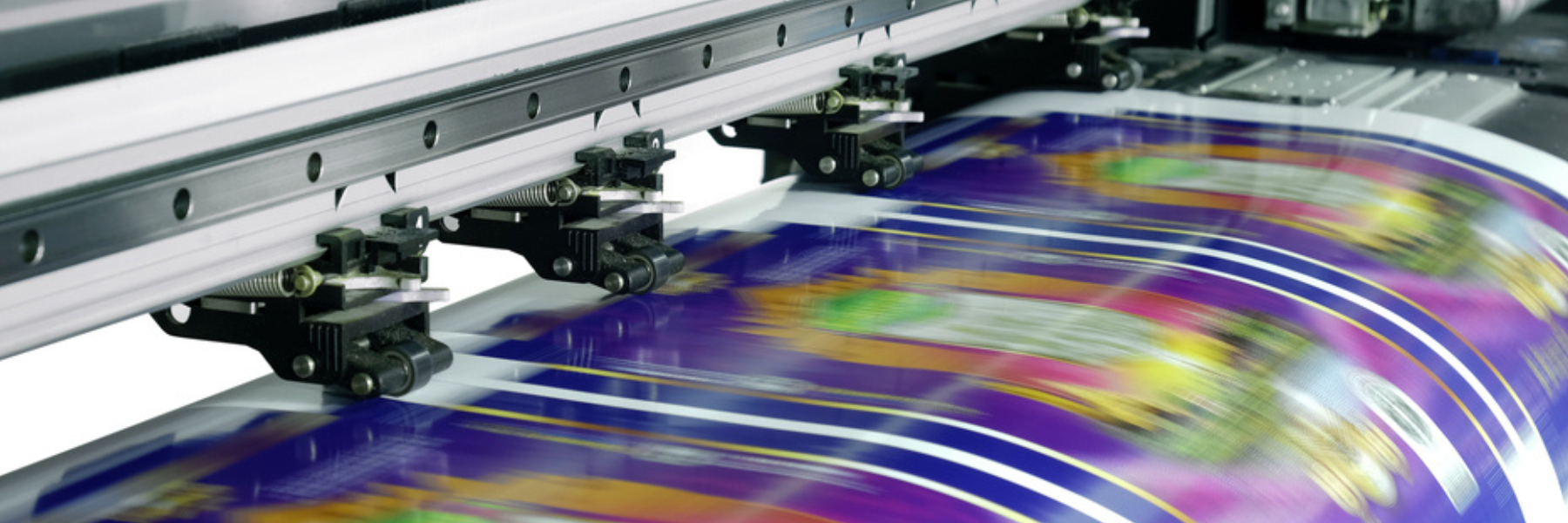
thin print

Other Critical Considerations

To ensure a flawless labelling application, keep these three hidden factors in mind during your design and procurement process:

Container Flex and Squeeze-Ability

Are you labelling a rigid glass jar or a flexible, squeezable plastic tube? If a bottle is meant to be squeezed (like a shampoo bottle or a condiment dispenser), a rigid material will buckle and wrinkle over time. Clear or White BOPP paired with a flexible adhesive is required to flex alongside the container without lifting.

The Power of Adhesives

A waterproof face-stock is useless if the glue beneath it dissolves. For food and cosmetics, you need a high-tack acrylic permanent adhesive designed for damp or cold environments. If you are labelling frozen goods, look specifically for a "Freezer-Grade" adhesive. These are formulated to stick tightly to cold, slightly damp surfaces down to -20°F (-29°C) without losing grip. We stock _____.

Oil and Chemical Resistance

Water is only one element. Many skincare items contain essential oils, lipids, or alcohol, while many foods contain vinegar or olive oil. These substances act as solvents and can slowly dissolve the bond between the ink, the material, and the adhesive. When you place your order, ensure that we know if your product contains high concentrations of oils so we can pair your material with a heavy-duty, oil-resistant laminate.

Ready to Upgrade Your Product Packaging?

Don't gamble with your brand's first impression. Whether you need the crystal-clear look of Clear BOPP or a heavy-duty freezer-grade label, our experts are here to help. Contact us today for free material samples or a custom quote tailored precisely to your product's environment!

Frequently Asked Questions - Printer Maintenance

01

What do the lines mean that are going through the print on my label?

If the line is in a diagonal direction, it is likely that the foil is creasing. Simply adjust the tension bar or clutch.

If the lines are vertical, then the printhead could either be dirty, or there could be dots or pixels on the printhead. If the latter is the case, you might need a new printhead. Contact us for us to diagnose the problem before ordering new parts.

Horizontal lines often indicate that the machine has stopped to make a cut. Usually, the machine will automatically try and blend this line out. Trying to alter the design of your label could help to solve the problem, however if there is a cut in the roller then it might need replacing. Contact our Technical Team if you think that this might be the case.

02

Nothing is printing onto my label but it’s going through the print process. What’s happening?

It’s likely that the ink foil is on the wrong way round, and it’s applying ink to the printhead instead of the label. Remove the ink foil, clean the printhead with some of our printhead wipes or isopropyl spray, and put the ink foil back on the other way around. The general rule of thumb when loading ink foil is dull side down, shiny side up!

03

I’ve got a warning notification on my printer. What should I do?

You will likely be seeing something along the lines of ‘No Gap Found / Media Error’, which could mean several things. The labels might be threaded up incorrectly, which will mean that they’re not going through the sensor. Take the roll of labels off and thread them up again, being sure to consult the diagram to make sure you’re doing this in the correct way for your machine. The sensor might not be in the correct position, so try adjusting it slightly to see whether it picks up on the labels coming through. Alternatively, the sensor might need re-calibrating. Either find the button on your machine that will do this for you or contact us for a little more assistance.

04

How do I clean the printhead on my label printer?

Take off the ink foil and get some of our printhead cleaning wipes, or some isopropyl spray and a cloth. Wipe the print area, removing any visible dirt or residue. Rethread the machine, reload the ink foil, and run a small job again to see whether print quality improves.

05

My printer isn’t communicating with my computer. What should I do?

The first thing to do is to check that the cable running between your computer and printer is connected properly, and in the correct port. Also ensure that the port on the computer is selected correctly (e.g. USB-C, USB), by navigating to your settings. You should also make sure that you’re trying to send a job to the correct printer, and not another that is synced with your computer.

Stay Informed with Soabar

New Project (1)
100 Years of Soabar!

The Soabar Legacy: Innovation in Label Solutions Since 1920 Our Story Today we're marking 100 years of Soabar! Our journey...